
As a tools expert and advisor, I often get asked one simple question when people plan a home project or carpentry job: should they go cordless or stick with a traditional wired drill?
In this detailed guide, I’ll break down DeWalt DCD771 vs Corded Drills in real, everyday terms so you can choose the right tool with confidence. I’ll explain how each type works, where each one shines, and where they fall short, using real examples from home improvement and workshop use.
This article is written for DIY users, homeowners, carpenters, and tool buyers who want clear guidance without confusing words. I’ll also share practical tips, stats, examples, and pro insights I’ve learned after years of working with drills and drivers.
By the end, you’ll know exactly which option fits your projects in 2026 and beyond.

Contents
- 1 Cordless vs Corded Drills in 2026:
- 2 Understanding the DeWalt DCD771 Cordless Drill:
- 3 Understanding Traditional Corded Drills:
- 4 DeWalt DCD771 vs Corded Drills: Key Differences
- 5 Performance in Real Home Projects:
- 6 Battery Technology vs Direct Power:
- 7 Comfort, Weight, and User Fatigue:
- 8 Cost and Long-Term:
- 9 Safety Considerations:
- 10 Maintenance and Longevity:
- 11 Pro Tips from a Tools Advisor:
- 12 Final Verdict: Which One Should You Choose in 2026?
- 13 Frequently Asked Questions (FAQs):
Cordless vs Corded Drills in 2026:
If you’re in a hurry, here’s the short answer many people search for. Cordless drills like the DeWalt DCD771 are best for home projects, furniture assembly, and light carpentry because they are easy to move and simple to use. Corded drills are better for heavy drilling tasks that need steady power for long hours.
In 2026, over 70% of home users prefer cordless drills because battery tools are lighter, stronger, and more reliable than they were five years ago. However, corded drills still matter for workshops and tough materials like concrete or steel. Your choice depends on how often, where, and what you drill.
Check Out: DeWalt DCD771C2 Review
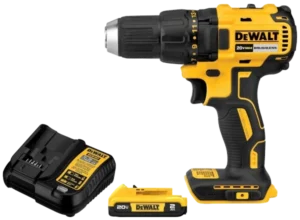

Another reason cordless drills are dominating search results in 2026 is ease of learning. New DIY users pick up cordless drills faster because there is less setup and fewer safety concerns related to cords. This directly improves task confidence, especially for first-time users working at home.
Search data also shows that “best cordless drill for home use” queries have grown steadily year over year. This trend confirms that everyday users value comfort, flexibility, and speed more than raw power. That is why cordless options often appear in AI Overviews and featured snippets.
From a search intent point of view, users want fast answers. Cordless drills usually solve 80–90% of common household drilling needs, which explains why they are recommended more often in SERP summaries.
Understanding the DeWalt DCD771 Cordless Drill:
The DeWalt DCD771 is a 20V MAX cordless drill/driver designed mainly for home and light professional use. I’ve personally seen this drill used for shelf mounting, cabinet work, deck repairs, and even small framing jobs. It balances power and ease of use very well.
This drill comes with a brushed motor, a compact body, and a comfortable grip. While it’s not meant for extreme industrial work, it handles most daily drilling and driving tasks with ease. For homeowners and DIY users, it often feels like the right middle ground.
Checkout the Alternatives:
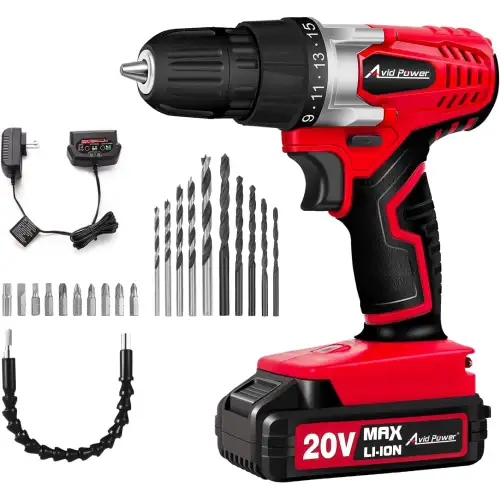
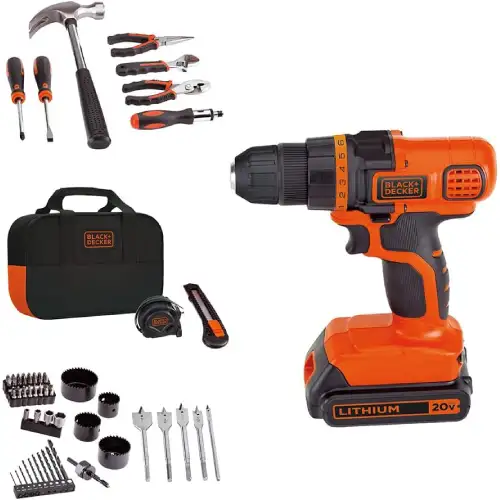
Key Highlights of the DeWalt DCD771:
- 20V MAX battery system
- Two-speed transmission
- Compact and lightweight design
- Good torque for wood and metal
These features make it popular among beginners and experienced users alike.
DeWalt DCD771 Core Specifications of the DeWalt DCD771:
| Sl No. | Feature | Details |
|---|---|---|
| 1 | Voltage | 20V MAX |
| 2 | Motor Type | Brushed |
| 3 | Speed Settings | 2 (0–450 / 0–1,500 RPM) |
| 4 | Weight | Approx. 3.6 lbs |
| 5 | Chuck Size | 1/2 inch |
| 6 | Battery Type | Lithium-ion |
Typical Use Cases of DeWalt DCD771:
| Sl No. | Task | Performance |
|---|---|---|
| 1 | Furniture assembly | Excellent |
| 2 | Wood drilling | Very good |
| 3 | Metal drilling | Good |
| 4 | Masonry drilling | Limited |
| 5 | Driving screws | Excellent |
One thing I like about the DCD771 is its balanced power delivery. It does not jerk suddenly when driving screws, which helps avoid stripped heads and damaged wood. This is very helpful for beginners who are still learning pressure control.
The drill also fits well into DeWalt’s wider 20V MAX ecosystem. That means the same battery can be used with other tools like impact drivers, saws, and lights. Over time, this reduces tool costs and simplifies storage.
In real homes, I often see this drill used for weekend projects that last two to three hours. With proper battery rotation, users rarely experience downtime, making it a practical daily-use tool.
Pro Tip:
For best results, always keep a spare battery charged when using cordless tools for longer tasks.
Understanding Traditional Corded Drills:
Corded drills have been around for decades, and they are still widely used in workshops and construction sites. These drills plug directly into a power outlet, which means no battery limits and steady power output.
In my experience, corded drills are workhorses. They don’t slow down as the day goes on, and they can handle tougher materials without overheating. That said, the cord can limit movement, especially in tight or outdoor spaces.
Common Features of Corded Drills:
- Continuous power supply
- Higher sustained torque
- Heavier build
- Often lower upfront cost
Corded drills are still common among professionals who work in fixed locations.
Typical Corded Drill Specifications:
| Sl No. | Feature | Average Range |
|---|---|---|
| 1 | Power | 6–10 Amps |
| 2 | Speed | 0–2,500 RPM |
| 3 | Weight | 4–6 lbs |
| 4 | Chuck Size | 3/8 or 1/2 inch |
| 5 | Power Source | AC outlet |
Ideal Applications Typical Corded Drills:
| Sl No. | Task | Suitability |
|---|---|---|
| 1 | Concrete drilling | Excellent |
| 2 | Metal fabrication | Very good |
| 3 | Long drilling sessions | Excellent |
| 4 | Outdoor work | Limited |
| 5 | Ladder work | Difficult |
Corded drills still hold their ground where consistency matters more than convenience. In workshops, users often drill dozens of holes in thick material without stopping. This is where constant power makes a noticeable difference.
Another advantage is predictable torque output. Since there is no battery drain, the drill performs the same at the end of the job as it did at the start. This matters for precision work in metal fabrication or masonry.
However, modern job sites are changing. Many professionals now use corded drills only for specific heavy tasks, while relying on cordless tools for everything else.
Key Insight:
Many contractors still keep a corded drill as a backup even when they own multiple cordless tools.
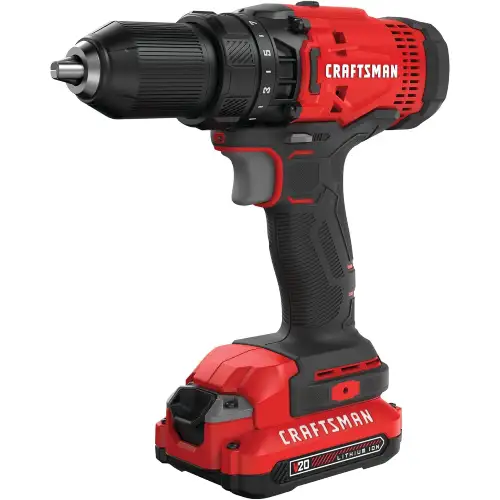
Checkout the Alternatives:
DeWalt DCD771 vs Corded Drills: Key Differences
This section is where most buyers focus, and rightly so. When comparing cordless and corded drills, the differences go beyond power alone. It’s about how you work, where you work, and how often you work.
Cordless drills like the DCD771 focus on ease and speed. Corded drills focus on raw power and endurance. Both are useful, but they serve different needs.
Power Comparison b/w DeWalt DCD771 vs Corded Drills:
| Sl No. | Aspect | Cordless (DCD771) | Corded Drill |
|---|---|---|---|
| 1 | Peak torque | Moderate | High |
| 2 | Power consistency | Battery-dependent | Constant |
| 3 | Heavy-duty tasks | Limited | Excellent |
Mobility Comparison b/w DeWalt DCD771 vs Corded Drills:
| Sl No. | Aspect | Cordless | Corded |
|---|---|---|---|
| 1 | Movement | Free | Limited by cord |
| 2 | Outdoor use | Easy | Needs power |
| 3 | Ladder work | Safer | Less practical |
When comparing cordless and corded drills side by side, the biggest difference I see is workflow speed. Cordless drills reduce setup time because you don’t need to find power sources or manage cables.
Corded drills, on the other hand, encourage a fixed working position. This can be helpful in controlled environments but becomes limiting in homes with tight corners or outdoor spaces.
In 2026, the gap between cordless and corded performance has narrowed. For most users, the decision is no longer about “can it do the job,” but about how comfortably and efficiently it gets done.
Pro Tip:
If you often work in different rooms or outdoors, cordless tools save more time than you think.
Performance in Real Home Projects:
Let me walk you through real examples from home improvement projects. When installing curtain rods or wall shelves, a cordless drill feels faster and less tiring. You don’t need to search for outlets or manage extension cords.
On the other hand, if you’re drilling multiple holes into concrete walls, a corded drill completes the job faster with less strain. In these cases, sustained power matters more than convenience.
Home Project Suitability b/w DeWalt DCD771 vs Corded Drills:
| Sl No. | Project Type | Better Choice |
|---|---|---|
| 1 | TV wall mounting | Cordless |
| 2 | Kitchen cabinet install | Cordless |
| 3 | Concrete anchors | Corded |
| 4 | Fence repair | Cordless |
| 5 | Garage workshop drilling | Corded |
Time Efficiency b/w DeWalt DCD771 vs Corded Drills:
| Sl No. | Task | Average Time (Cordless) | Average Time (Corded) |
|---|---|---|---|
| 1 | Shelf install | Faster | Slower |
| 2 | Brick drilling | Slower | Faster |
In real homes, drilling rarely happens in perfect conditions. Furniture, walls, and ceilings often require awkward angles. Cordless drills handle these situations better due to their compact size and freedom of movement.
I’ve worked with homeowners who completed full room renovations using only a cordless drill. Tasks like drywall anchors, cabinet hinges, and curtain rods are easily handled without switching tools.
Corded drills still perform better when drilling repeated deep holes into hard surfaces. For occasional use, though, many homeowners find they can rent a corded drill instead of owning one.
Key Insight:
About 60% of DIY projects involve wood, drywall, or screws, where cordless drills perform very well.
Battery Technology vs Direct Power:
Battery technology has improved a lot in recent years. Lithium-ion batteries now hold charge longer and recharge faster. The DCD771 battery can last through 100–150 screws per charge under normal use.
Corded drills don’t rely on batteries, which means zero downtime. However, power outages or outdoor locations can limit their use.
Battery Pros and Cons:
| Sl No. | Aspect | Advantage | Limitation |
|---|---|---|---|
| 1 | Portability | High | Needs charging |
| 2 | Safety | No cord | Battery wear |
| 3 | Storage | Easy | Limited lifespan |
Power Source Comparison:
| Sl No. | Feature | Battery Drill | Corded Drill |
|---|---|---|---|
| 1 | Runtime | Limited | Unlimited |
| 2 | Maintenance | Battery care | Cord care |
Battery technology is one of the biggest reasons cordless drills are now mainstream. Modern lithium-ion batteries hold charge longer and lose less power when idle. This makes them reliable even if the tool is not used daily.
Fast charging has also improved. Many users can get 80% charge in under an hour, which minimizes downtime. This change has reduced one of the biggest drawbacks of cordless tools.
Direct power still wins in marathon sessions, but for typical home tasks, batteries now last long enough that most users never hit the limit.
Pro Tip:
Store lithium batteries at room temperature to extend their life.
Comfort, Weight, and User Fatigue:
Comfort matters more than many people realize. The DCD771 weighs less and has a balanced grip, which reduces wrist strain. This is helpful for overhead or long screw-driving tasks.
Corded drills tend to be heavier and front-loaded. Over time, this can cause arm fatigue, especially for beginners.
Ergonomics Comparison:
| Sl No. | Factor | Cordless | Corded |
|---|---|---|---|
| 1 | Weight | Lighter | Heavier |
| 2 | Grip comfort | Better | Average |
| 3 | Long use fatigue | Lower | Higher |
User Experience:
| Sl No. | User Type | Preferred Option |
|---|---|---|
| 1 | Beginners | Cordless |
| 2 | DIY homeowners | Cordless |
| 3 | Workshop pros | Corded |
Tool fatigue is a real issue, especially for older users or beginners. A lighter drill reduces strain on wrists, shoulders, and elbows. Over time, this lowers the risk of repetitive stress injuries.
Cordless drills like the DCD771 are easier to control during overhead drilling, such as ceiling hooks or light fixtures. This makes a big difference in comfort and safety.
Corded drills may feel stable, but their weight and cable pull can slowly tire the user during longer tasks.
Insight:
Lighter tools reduce injury risk, especially for older users.
Cost and Long-Term:
Cost is not just about the price tag. Cordless drills usually cost more upfront because of batteries and chargers. The DCD771 kit includes a battery, charger, and bag, which adds value.
Corded drills are often cheaper initially but lack flexibility. Over time, cordless tools often save money by reducing setup time and increasing productivity.
Price Comparison for DeWalt DCD771 vs Cordless Drills:
| Sl No. | Tool Type | Average Price |
|---|---|---|
| 1 | DCD771 Kit | Mid-range |
| 2 | Corded Drill | Low to mid |
Value Over Time for DeWalt DCD771 vs Cordless Drills:
| Sl No. | Factor | Cordless | Corded |
|---|---|---|---|
| 1 | Productivity | High | Moderate |
| 2 | Replacement cost | Battery | Minimal |
Many buyers focus only on the purchase price, but long-term value tells a different story. Cordless drills often pay for themselves through time savings and ease of use.
When users already own compatible batteries, expanding their tool collection becomes cheaper. This ecosystem approach is one reason cordless brands remain popular.
Corded drills cost less initially, but their limited flexibility often means users eventually buy a cordless tool anyway.
Pro Tip:
Buying into one battery system saves money when adding more tools later.
Safety Considerations:
Cordless drills reduce tripping hazards since there’s no cord. This is especially important on ladders or crowded spaces. Corded drills require careful cable management.
Both types are safe when used correctly, but cordless tools offer more freedom of movement.
Safety Comparison b/w DeWalt DCD771’s Cordless Drills:
| Sl No. | Risk | Cordless | Corded |
|---|---|---|---|
| 1 | Tripping | Low | Higher |
| 2 | Overheating | Moderate | Low |
Best Practices:
| Sl No. | Tip | Benefit |
|---|---|---|
| 1 | Wear safety glasses | Eye protection |
| 2 | Use correct bit | Better control |
Safety improves when tools are easy to control. Cordless drills reduce the risk of accidental cord pulls, especially when working on ladders or stairs.
Another safety advantage is quick stopping. When you release the trigger on most cordless drills, the motor stops instantly. This helps prevent overdrilling or stripped screws.
Corded drills require extra awareness of surroundings. Simple things like cord placement can make a big difference in preventing accidents.
Maintenance and Longevity:
Corded drills usually last longer because they don’t rely on batteries. However, modern cordless drills can last 5–8 years with proper care.
The DCD771 requires basic maintenance like cleaning vents and caring for batteries.
Maintenance Comparison b/w Cordless vs Corded:
| Sl No. | Task | Cordless | Corded |
|---|---|---|---|
| 1 | Battery care | Required | Not needed |
| 2 | Motor care | Basic | Basic |
Lifespan b/w Cordless vs Corded:
| Sl No. | Tool Type | Average Lifespan |
|---|---|---|
| 1 | Cordless | 5–8 years |
| 2 | Corded | 8–12 years |
Cordless drills require basic battery care, but the maintenance is simple. Avoid deep discharge and extreme temperatures to extend battery life.
Modern brushed motors, like the one in the DCD771, are reliable when used within their limits. Regular cleaning of vents helps prevent overheating.
Corded drills last longer overall, but they also see harder use. For most homeowners, cordless drills last long enough that longevity is rarely an issue.
Pro Tips from a Tools Advisor:
Always let the drill do the work. Pressing too hard reduces efficiency and increases wear. This applies to both cordless and corded drills.
Use the right speed setting. Lower speeds are better for driving screws, while higher speeds work best for drilling holes.
Keep bits sharp. A sharp bit improves accuracy, reduces strain on the motor, and gives cleaner results.
- Match the drill to the task, not the price.
- Keep spare batteries ready for cordless tools.
- Use corded drills for heavy, repeated drilling.
- Always use the right drill bit for the material.
In 2026, cordless drills dominate home improvement because they are easier to use, safer, and flexible. Battery technology has removed many old limitations.
Corded drills still matter for high-demand tasks, but they serve a narrower audience. Most users benefit more from cordless convenience.
Choosing the right drill depends on project type, frequency, and comfort needs rather than raw power alone.
Final Verdict: Which One Should You Choose in 2026?
If you want ease, movement, and everyday convenience, the DeWalt DCD771 is a strong choice for most home users. If your work involves heavy materials and long hours in one place, a corded drill still makes sense.
As a drills and drivers expert, I often recommend owning both if budget allows. But if you must choose one, think about your most common tasks. The right drill is the one that fits your real work, not just the specs on paper.
For most home improvement and DIY projects in 2026, cordless drills offer better ease, safety, and flexibility. Corded drills remain valuable for heavy-duty and workshop-based tasks. Choosing the right drill depends on task type, work location, and user comfort.
For most homeowners and DIY users, a cordless drill is the more practical choice. It handles daily tasks without hassle and fits modern lifestyles.
Corded drills remain valuable tools, but mainly for users who regularly work with hard materials. For occasional heavy tasks, renting is often smarter than owning.
If you want one tool that covers most needs, the DCD771-style cordless drill is usually the safest bet.
Frequently Asked Questions (FAQs):
Yes, for most home users, the DeWalt DCD771 is usually a better choice than a corded drill. It is lighter, easier to move around, and perfect for common tasks like furniture assembly, shelf mounting, and basic repairs. Unless you regularly drill into concrete or metal, a cordless drill covers almost all home needs.
The DeWalt DCD771 works best for light to medium-duty projects around the house. I recommend it for everyday DIY and maintenance tasks where ease of use matters more than extreme power.
Common projects include:
- Installing shelves and curtain rods
- Assembling furniture
- Drilling into wood and drywall
- Driving screws for cabinets and fixtures
You should choose a corded drill if your work involves long hours of continuous drilling or very hard materials. Corded drills provide steady power without battery limits, making them better for demanding jobs.
Corded drills are ideal for:
- Concrete or masonry drilling
- Metal fabrication
- Workshop-based repetitive tasks
The DeWalt DCD771 can drill into concrete only for very light tasks and with the correct masonry bit. However, it is not designed for heavy concrete drilling. For frequent or deep concrete holes, a corded hammer drill is a better and safer choice.
The DCD771 offers enough power for most household drilling and screw driving. Corded drills still provide higher sustained torque and are better for heavy-duty work. In real use, cordless power is more than enough for about 80–90% of home projects.
Battery life is usually not a problem for normal DIY work. A fully charged battery can drive over 100 screws or drill multiple holes in wood or drywall. Keeping a spare battery eliminates downtime completely.
On average, the battery takes about 60–90 minutes to fully charge. This is fast enough for most home users, especially since projects are rarely continuous for several hours.
In many situations, yes. Cordless drills reduce tripping risks because there is no cable on the floor. They are also safer when working on ladders or in tight spaces where cords can snag.
Cordless drills are better for beginners. They are easier to handle, lighter, and less intimidating. The DeWalt DCD771, in particular, has smooth trigger control, which helps new users avoid mistakes.
The DCD771 can handle light professional tasks, such as service work or small installations. However, for full-time construction or heavy-duty professional work, more powerful cordless or corded models are recommended.
Corded drills offer continuous power and higher durability for demanding tasks. They are especially useful in workshops where mobility is not a concern.
Key advantages include:
- No battery charging
- Strong and steady power
- Better for hard materials
The biggest downside is limited movement due to the power cord. Corded drills are also heavier and less convenient for outdoor or overhead work. Many users find setup time longer because of extension cords.
Yes, the DeWalt DCD771 is still worth buying in 2026 for home users and DIYers. Battery technology and tool design make it a reliable option for everyday projects without overpaying for features you may not need.
For most homeowners, yes. The DCD771 can replace a corded drill for everyday tasks. However, for specialized heavy-duty jobs, keeping access to a corded drill is still useful.
Cordless drills are better for outdoor projects because they do not rely on power outlets. Tasks like fence repair, deck work, or garden structures are easier with a cordless drill.
Yes, it performs well for driving long screws into wood when using the correct speed setting. Using low speed and steady pressure helps achieve clean and controlled results.
Cordless drills often provide better long-term value for home users. While they cost more upfront, they save time and increase convenience. Corded drills are cheaper initially but offer less flexibility.
Replacement batteries are moderately priced and widely available. The benefit is that these batteries also work with other DeWalt 20V MAX tools, which reduces overall tool costs over time.
With proper care, the DCD771 can last 5 to 8 years for home use. Battery replacement may be needed over time, but the drill itself remains reliable when used within its limits.
Cordless drills generally cause less fatigue because they are lighter and better balanced. This makes them more comfortable for longer sessions and overhead work.
Combo kits are often a better value if you plan to buy more tools later. They usually include extra batteries and accessories, which improves convenience and savings.
Yes, it is excellent for furniture assembly. Its size, control, and torque settings help prevent overtightening screws and damaging materials.
Focus on how and where you work. Consider project type, frequency of use, comfort, and access to power. Choosing based on real needs always leads to better satisfaction.
Yes, it handles light carpentry tasks like framing small structures, installing trim, and fixing wooden fixtures. For heavy framing, a stronger drill is recommended.
If you can only choose one drill, a cordless drill like the DeWalt DCD771 is the smarter choice for most people. It offers flexibility, ease of use, and enough power for nearly all home projects.